She doesn't just ask why — she designs the experiment.
At Spark, questions are the curriculum. Your questioner learns that wondering is the beginning of knowing — and that knowing leads to more questions.
Every curious mind has a starting shape. We teach them all.
Next open campus visits: February 28 · March 7 · March 14
The average three-year-old encounters 4.5 hours of screens before their first classroom.
Passive consumption wires the brain for receiving — not questioning. By the time most children reach preschool, they've been trained to watch, not wonder. Spark is designed as the correction.
"When Marcus came home and told me he'd measured shadows with yarn to figure out what time it was — that was the moment I understood what you're doing here."
— Priya Nair, parent · Software Engineer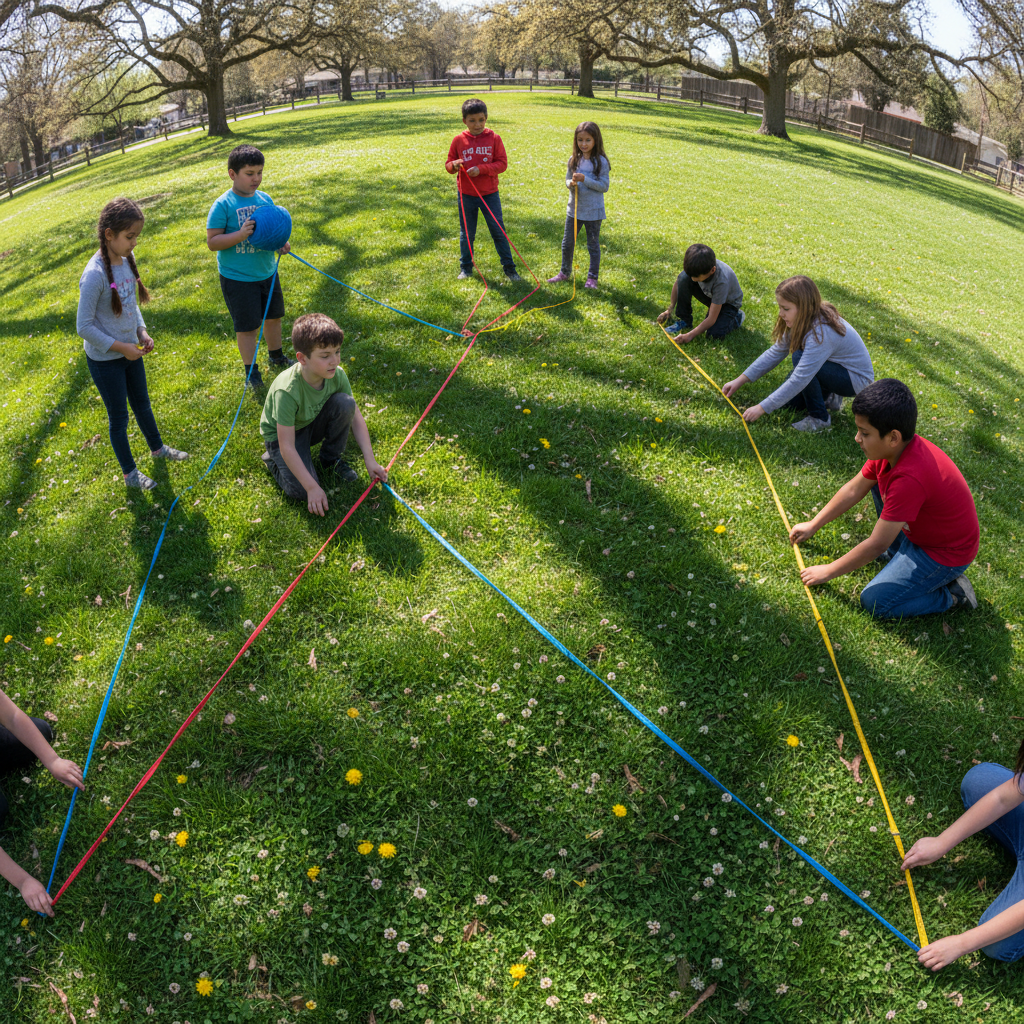
"Is the shadow longer now?"
Actual classroom question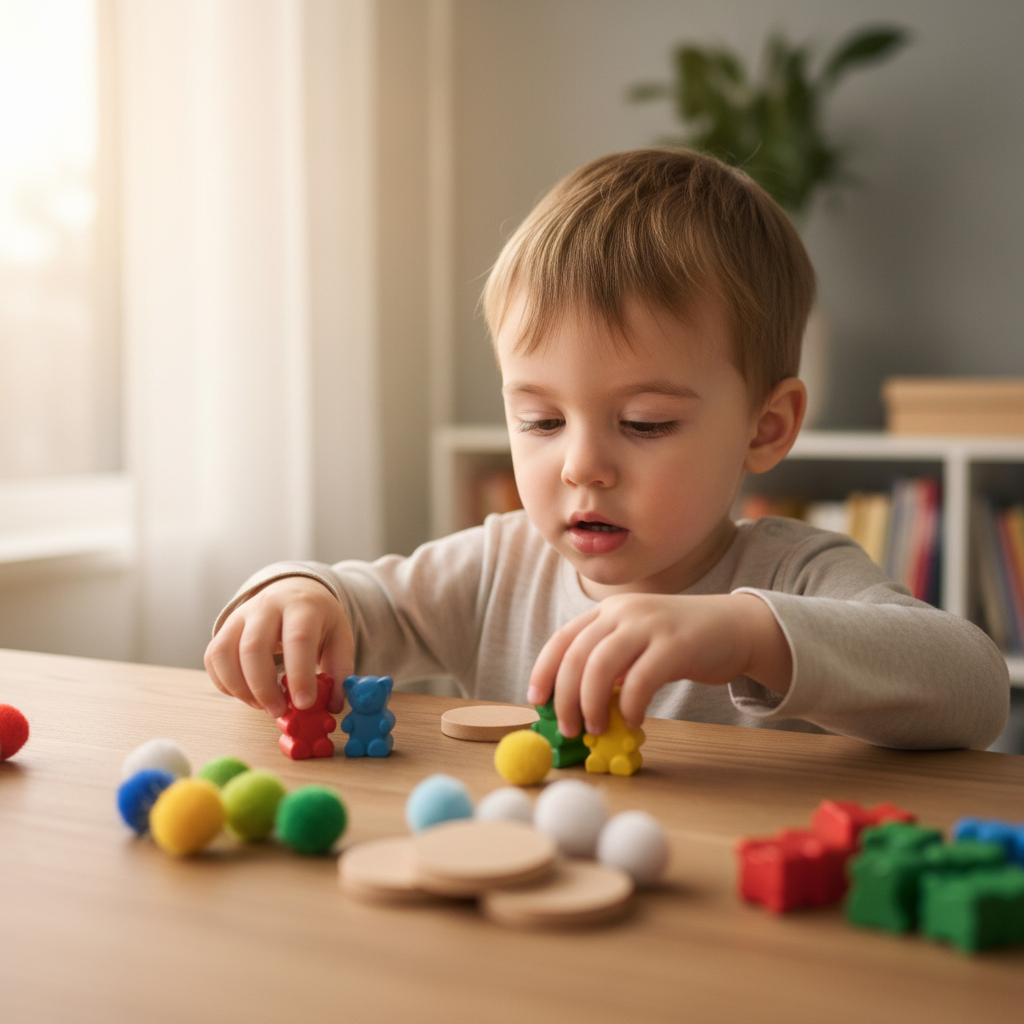
"She counted to 87 before I realized she wasn't playing."
— David Kim, parent · Pediatric Hospitalist"Kindergarten readiness" has been reduced to letter drills and color worksheets.
The research is clear: executive function, spatial reasoning, and collaborative problem-solving predict school success far better than early letter recognition. Spark measures what actually matters.
of Spark graduates assessed as fully ready across cognitive, social, and fine motor domains
We follow each child's trajectory through 2nd grade with semi-annual assessments
No letter grades. No drills. Documented observations of real work over time
One educator for every four children — close enough to notice what a child is actually thinking
You don't have to choose between play and rigor.
Watch a child count sunflower seeds into groups of ten — laughing — and you understand. At Spark, the distinction doesn't exist. Every joyful moment is also a learning moment. Every lesson is also an adventure.
Inquiry-First Curriculum
Children propose questions. Educators design the conditions to answer them.
Hands-On Every Hour
No worksheets. No passive listening. Real materials, real experiments, real outcomes.
Documented Progress
You receive a quarterly portfolio — not a report card — showing actual evidence of growth.

"...sixteen, seventeen — wait, I need to make another group!"
Hands-on learning, every session
Reserve your campus visit.
Thirty minutes in the classroom tells you more than any brochure. Bring your child. Watch what happens when curiosity has room.
Not ready to visit yet?
Download our curriculum overview — 12 pages on our approach to early STEM inquiry, assessment philosophy, and what a typical week looks like.
What to expect
Saturday mornings, 9:00–11:00 AM
Bring your child — they participate
142 Birchwood Lane, University Park
See an actual inquiry session in progress
One-on-one time with lead educators
"We visited once and enrolled before we left the building."
— Amara & James Osei, enrolled 2024Spark STEM Preschool · Ages 2–5
Next campus visits: Saturday mornings